torus

5 Pre-pregnancy tests to do before planning a family!

Topics

Introduction

Having a baby is one of the most exciting things that can happen, but it’s natural to feel a little nervous too. This article brings together everything a family-planning couple needs to know to have a healthy and happy pregnancy and ensure they get the care right for them. It is important to obtain reliable and current information to make the best decisions and choices for herself and her baby.

Pre-pregnancy test…. Why it's important?
pregnancy-section-image-01

A test before pregnancy starts with history taking and lifestyle corrections. It helps to assess the ability of the woman’s body to get pregnant. One can plan the checkup one year before doing family planning. An unhealthy diet & lifestyle and some medical conditions, like depression, diabetes, high blood pressure, and not being at a healthy weight, can affect pregnancy and fertility (ability to get pregnant). Consulting a medical practitioner gives an idea about what to correct, when to correct and where to correct it.

What to expect from pre-pregnancy test
  • A physical examination and blood tests are part of the pre-pregnancy checkup.
  • In spite of being under 35 and having regular periods for several years, get all pre-pregnancy tests done.
  • If the couple has not yet tried to conceive but wishes to do so, they must consider their health before beginning the process.
  • If having a medication history for treating acne, menstrual cramps, or depression, consult the doctor for discontinuing before attempting to conceive.
  • Pregnant women taking certain drugs are more likely to have birth abnormalities and miscarriages.
How do doctors check if you can get pregnant?
pregnancy-section-image-02

Before trying to conceive, it’s important to get a pre-pregnancy test. The below-mentioned 5 pre-pregnancy tests are for the couple before planning to conceive;

1. Physical & Gynaecological Examination

    • A thorough physical assessment of height, weight, blood pressure, and other system functions.
    • A gynaecological examination of the Genitals also may be done for signs of any sexually transmitted infection (STI) or growths.
    • Urine test, PAP Smear Test to screen for cervical cancer, and an HPV test.
    • A pelvic examination to check for any lumps, masses, or tenderness and pelvic index.
    • Periodic dental checkups, as some studies reveal the relationship between gum disease and having a premature or low-birth weight.

2. Blood Tests

A blood test aids in screening for several diseases and illnesses, including thalassemia and other haemoglobin variations, immunity to rubella, chickenpox, herpes, syphilis and other STIs, HIV, Hepatitis B, and Hepatitis C, as well as thyroid dysfunction.

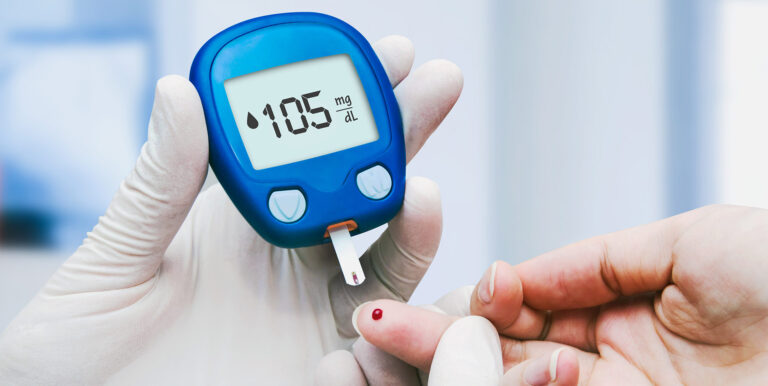
  • Diabetic tests: FBS, PPBS. HbA1c
  • Complete blood count
  • Blood group & type
  • Thyroid function tests
  • Lipid profile and ECG
  • Serology test: HIV 1& 2, HbsAg, VDRL, HCV

3. Genetic Disorder Screening test

To determine the probability of transmitting a genetic disorder like Thalassemia or the sickle-cell trait, a genetic disorder test for both sides of the family may be advised.

4. Ultrasound abdomen & pelvis

Advised to understand the physiological (normalcy) and pathological (diseased) conditions.

5. Other than the common tests for couples, these two special tests are also needed i.e.

    • For women: AMH test determines a woman’s ability to create fertile eggs for pregnancy.
    • For men: Semen analysis assesses sperm count, motility, morphology, and fertility.

If there is no family history of genetic anomalies, the sole option for an otherwise healthy couple with no family history or genetic problem history is to undergo a genetic screening test or a pre-implantation genetic test (if they have a recurrent history of pregnancy losses).

If one already has a baby, do they need to undergo pre-pregnancy tests again for planning for the next one?

Even if someone already has a child, a pre-pregnancy test is recommended. Health conditions will alter over time. It might help the medical professional to prevent problems in the next pregnancy if one had a problem in a previous pregnancy, such as;

  • Premature birth, i.e. birth before 37 weeks of the pregnancy.
  • A baby with birth abnormalities.
  • Miscarriage, i.e. the fetus dies in the womb before 20 weeks of pregnancy.
  • A stillbirth occurs when the fetus dies in the womb before the birth but after 20 weeks of pregnancy.
Whom to consult?

Get CREF viz, Comprehensive Pregnancy Planning Package checkup. Or connect with either of the following for pre-pregnancy test details;

    • An Obstetrician (OB) is a medical professional qualified to care for pregnant women and deliver newborns.
    • A family physician who is well aware of the family history of the illnesses.
    • A physician trained in maternal-fetal medicine (MFM) provides care to women carrying high-risk pregnancies.
    • To care for women of all ages, including pregnant women, a midwife or other registered health care practitioner.
5 reasons for doing pre-pregnancy screening!
  1. Being aware of the concept of a completely healthy marriage.
  2. Reducing the strain on hospitals and blood banks.
  3. Avoiding social and psychological problems for families with children who are in need.
  4. Reducing a family’s financial load and mental stress associated with treating a sick kid.
  5. Controlling the spread of genetic blood illnesses such as sickle cell anaemia and thalassemia, as well as viral diseases such as hepatitis B, hepatitis C, and HIV/AIDS.

For raising a healthy family, performing the tests and making the proper selections can make life much simpler when trying to conceive. To ensure a healthy baby, it is critical to visit a medical professional to get all information about tests before pregnancy. Planning and being proactive in potentially fatal scenarios is the key. Moreover, being informed about the possible diseases and preventive steps to avoid their transmission to future generations is appreciable!

Related Articles

Leave a Comment

Related Articles