Here are ten necessary health tests recommended for geriatric care. Read on to learn more about the tests, why doctors advise them, and how they can help their loved ones.
1. Complete Blood Count (CBC)
A CBC test measures:
- Haemoglobin:Number of grams of this protein per decilitre of blood.
- Red blood count (RBC): Number of red blood cells per microlitre of blood.
- White blood count (WBC): Number of white blood cells per microliter of blood.
- Platelet count: Number of platelets per microlitre of blood.
- Hematocrit: Volume of red blood cells in the blood.
- Mean corpuscular volume (MCV): Average size of red blood cells.
The CBC is a simple blood test that helps doctors detect symptoms of:
- Anaemia, such as weakness and fatigue.
- Respiratory infections.
- Issues with the bone marrow.
- Underlying health conditions causing abnormal platelet count.
2. Blood Pressure
Blood pressure or hypertension is common among senior citizens. Its symptoms often lie undetected till late. Hence, it is called the silent killer. Hypertension increases the risk of a heart attack or a stroke. Regular blood pressure checks are necessary for geriatric care. Those suffering from obesity, diabetes or heart ailments must check their blood pressure regularly. Doctors advise checking blood pressure at least once a year.
3. Lipid Profile
A lipid profile measures the cholesterol levels in one’s blood. This test includes:
- HDL (High-Density Lipoproteins) i.e good cholesterol.
- LDL (Low-Density Lipoproteins) i.e bad cholesterol.
- Total cholesterol.
Abnormal levels of cholesterol and triglycerides in the bloodstream increase the chances of cardiovascular disease. Hence, doctors regularly recommend this test. Besides regular monitoring, the following changes help maintain healthy cholesterol levels:
- Healthy diet.
- Lifestyle changes.
- Geriatric medicine.
4. Diabetes test
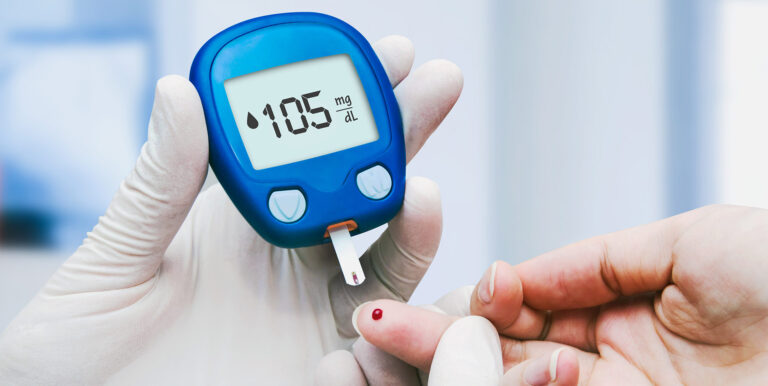
Diabetes is the most prevalent lifestyle disease in the world today. Doctors advise the Haemoglobin A1C, known as Hb A1C or Glycated Haemoglobin test, to monitor blood sugar levels. Although essential for geriatric care, this test also helps detect diabetes in people above 45. Higher than normal glucose levels affect a person’s overall health. Besides, they also increase one’s risk of cardiovascular disease. A healthy diet, regular exercise, and geriatric medicine help control blood glucose levels and manage diabetes.
5. Kidney Function Test
The kidney test, also known as the Renal Function test, is especially recommended for seniors with diabetes and high blood pressure. It helps study if the kidneys are functioning normally. This simple urine-albumin test measures proteins, creatinine, glucose, electrolyte, and minerals in the urine. The renal function test also includes a blood test to help study the functioning of the kidney.
6. Thyroid-Stimulating Hormone Test
Doctors advise a thyroid test to check the levels of thyroid-stimulating hormone or TSH. It is a simple blood test that checks if one’s thyroid is functioning normally. If undiagnosed, thyroid disorders could lead to:
- Weight gain.
- Weight loss.
- Mood swings.
- Erectile dysfunction in men.
7. Prostate Cancer Test
The Prostate Specific Antigen or PSA is a blood test that measures the levels of PSA in the blood and helps detect prostate cancer. Doctors recommend this test for people above 50 and those with a family history of prostate cancer. Besides the PSA test, doctors also recommend a digital rectal exam (DRE) to detect any prostate abnormalities, such as cancer.
8. Bone Density Test
As people age, their bones lose essential minerals, like calcium and phosphorus, and become weak. Weak bones put them at a greater risk of fractures and developing osteoporosis. A bone density test uses an X-ray to measure the essential minerals in the bone and determine bone mass. Although older women are at a higher risk of osteoporosis, men can also develop this condition.
9. Mammogram and Pap Smear
Doctors advise an annual mammogram and a clinical breast exam for women between 45 and 54. These tests are especially crucial for women with a family history of breast cancer. Women above 55 can have the exam every two years. Similarly, doctors advise a regular pelvic exam and a Pap smear for women over 65. A Pap smear helps detect vaginal or cervical cancer. On the other hand, a pelvic exam helps detect ovarian cysts, uterine fibroids, and sexually transmitted infections.
10. Eye Exam and Dental Check
With age, there is a greater chance of developing cataracts, glaucoma, retinopathy, and other vision-related problems. Doctors recommend annual eye exams for diabetics and people wearing glasses. Dental health also deteriorates with age. Moreover, medications, such as diuretics, antidepressants, and antihistamines affect dental health. Doctors advise a bi-yearly oral examination to study the mouth, teeth, gums, and throat.