1. Troponin Blood Tests
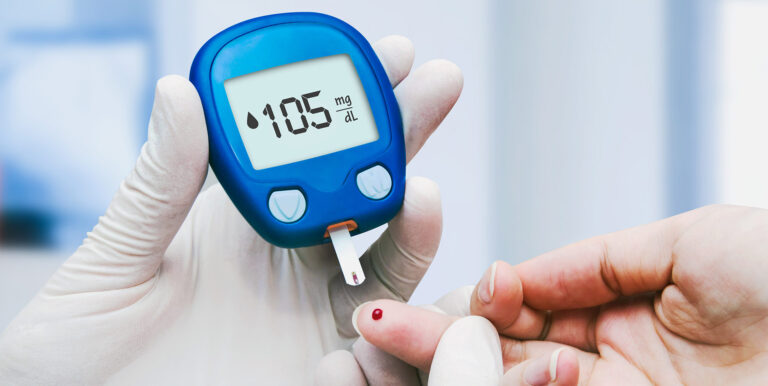
Blood tests can measure and diagnose whether the heart muscle has been damaged during a heart attack. Troponin T and I are proteins released in the blood during such events and are indicative of the level of heart muscle damage. A Troponin test can also detect any other heart injury. It is conducted in the hospital under the supervision of an emergency healthcare provider.
2. Echocardiogram (Ultrasound)
This is one of the most basic, yet best tests for the heart. It is a type of X-ray, which uses a probe, typically on the chest, to give a picture of your heart using ultrasound. The picture is then examined by the doctor to understand whether the chambers and valves of your heart are working well. it can also determine the strength with which your heart pumps blood.
3. Magnetic Resonance Imaging
An MRI uses strong magnetic and radio waves to create detailed images of the heart. Additionally, a special dye is often applied to increase the visibility and clarity of heart and coronary arteries. This test can help you see the structure of your heart and thus understand how well it works. These are most suitable for patients with an existing heart condition, helping determine the most suitable treatment method.
4. Coronary Angiogram
This test is commonly used to view the narrowing and blockages of coronary arteries. It can also help determine the pressure inside the heart. A catheter is inserted into blood vessels. It goes up to the heart and coronary arteries to take detailed dyed images. Coronary Angiogram is a simple X-ray technique used to examine the arteries that supply blood to your heart.
5. Exercise Cardiac Stress Test
Popularly known as Exercise Tolerance Test or ETT, this test can determine the blood supply level and heart rhythm while exercising. It monitors the level of tiredness, heart rate, blood pressure and heart activity while exercising. This test can also diagnose the cause of common complaints like chest pain, weakness, and inadequate blood supply.
6. Pharmacological Stress Test
Besides assessing the risk of a possible heart attack, this test can also help diagnose coronary artery blockage. Moreover, it also detects if you have less blood flow to the heart while exercising. An injection inserts medication through veins in the arm. This medication results in conditions similar to those produced by exercise. These include increased heart rate or flow of blood.
7. Tilt Test
Ever wondered why you often feel dizzy or lightheaded? The tilt test might come to the rescue. For this test, one is made to lie down on a slightly upward-tilted table to check the heart’s response to the force of gravity. The doctor tracks your heart rate and blood pressure throughout the process to assess any change. This test is highly effective in determining changes in heart rhythm, dizziness or lightheadedness.
8. CT Scan
Also known as the computerised tomography (CT) scan, this X-ray technique is used to assess the structure of your heart to determine coronary artery blockages. A computer is used to produce cross-sectional images of your heart. It can also identify whether blood vessels in the brain have been affected due to stroke.
9. Holter Monitor
A Holter monitor is used to monitor the heart for 24 to 48 hours. It is a small machine that works similarly to an ECG or an electrocardiogram. However, doctors often use this test to check heart abnormalities that might go undetected when examined through an ECG.
10. Electrophysiology Study
Consider taking this test if you feel abnormal heart rhythms. It can best determine the cause and suggest a treatment plan for abnormal heart rhythm. For this, the doctor feeds an electrode catheter to one’s heart through the blood vessels. This electrode is then used to send electric signals to the heart and map its electrical activity.