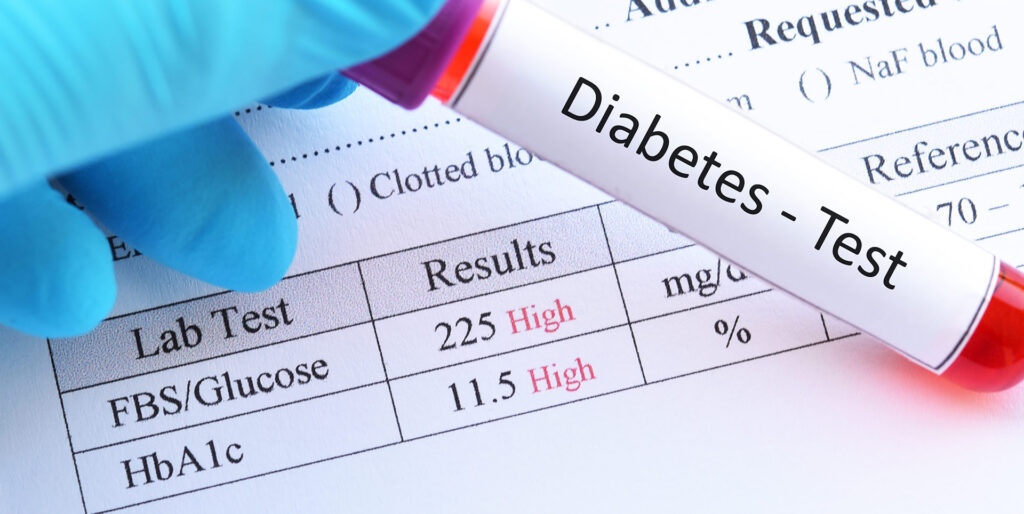
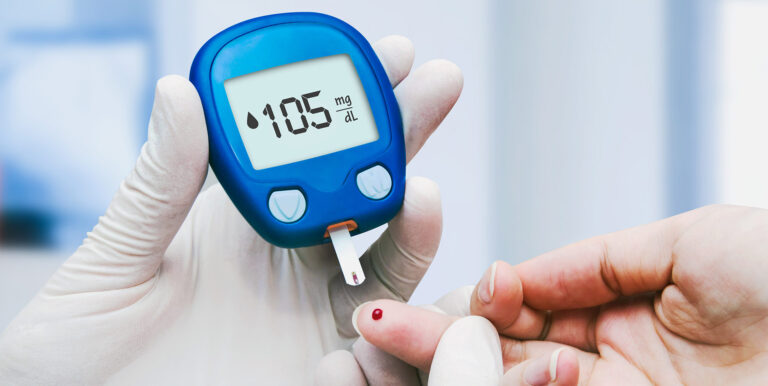
Some people are diagnosed with diabetes at an early stage because of regular health check-ups. But that’s not always the case. If someone is experiencing only mild symptoms and doesn’t undergo any tests, the problem will only aggravate with time. If someone experiences any of the symptoms mentioned above, it is essential to remember all the diabetes test names and ensure that they are performed according to the doctor’s advice. Here are various tests for diabetes that a person should know about:
1. Fasting Blood Sugar
One of the most important diabetes tests is a fasting blood sugar check-up. In this test, a blood sample is collected after an overnight fast. The range indicates whether the patient is diabetic, pre-diabetic, or has a normal sugar level.
- Less than 100 mg/dL: Normal
- Ranges between 100 and 125 mg/dL: Pre-diabetic
- Ranges over 125 mg/dL: Diabetic
2. HbA1c: Average Blood Sugar Level
An HbA1c test indicates the sugar level of the body from the last 8 to 12 weeks. Hb (Haemoglobin) and A1c (Average Measurement) is an important test that is advised by the doctor and is always indicated in percentage.
Haemoglobin attracts the sugar molecules present in the blood, and this test measures the number of sugar molecules stuck to the Haemoglobin. This test is usually conducted at a lab or doctor’s office. If a person knows the test procedure, test kits are available in the market for home use. Patients with a high HbA1c level in their bodies have diabetes and should be monitored.
- Less than 5.7%: Normal
- Ranges between 5.7 and 6.4%: Pre-diabetic
- Over 6.4%: Diabetic
A comprehensive care package should be created for patients who have a high HbA1c level. Some doctors may also recommend an advanced diabetes test for people whose blood sugar level isn’t coming under control for months.
3. Lipid Profile Test
Several diabetic tests are performed during a check-up. One of them is a lipid value test. It is crucial for a person with diabetes to get their HDL and LDL blood values checked. A patient with Type 2 diabetes will have these lipid values out of balance. For a healthy lifestyle, the LDL value should always be low, and the HDL value should always be high. The contrary of these values may indicate a risk of clogged blood vessels. Ideal ranges are –
- LDL: Below 100 mg/dL
- HDL: Women: above 50 mg/dL and Men: above 40 mg/dL
4. Cholesterol Test
Diabetes is indirectly related to heart problems. If the problems are not coming under control, there are chances that the cholesterol level is high. That’s why it is always advised to undergo a cholesterol level check to be sure.
- Less than 200 mg/dL: Normal
- Ranges between 200 to 239 mg/dL: Borderline
- Above 239 mg/dL: High
Even if there is a slight chance of an increase in cholesterol, proper care steps need to be taken.
5. Urine Test
A urine test might not always indicate if a person has diabetes. But doctors conduct it to detect Type 1 diabetes. The body produces ketones chemical. This happens when the fat tissues are used instead of glucose to provide energy to the body. A urine test for diabetes is conducted to determine if that is the case. If moderate to large quantities of ketones are found in the body, it means that the body isn’t producing or utilising enough insulin.
6. Electrolytes
This test measures the electrolytes in the body, including bicarbonate, potassium, sodium, and chloride. It helps evaluate heart disease symptoms and ensure there are no kidney or liver disease risks.
7. Creatinine
Creatinine is a waste that ends up in the body after creatine separation. The doctor performs a creatinine test to check if a person’s kidney is functioning properly. If its level is high, the kidney is facing a strain.
8. Blood Glucose Test
Post Prandial Glucose Test (PPBS) indicates the level of glucose present in the body and is carried out after a meal. Although the glucose levels increase after eating, the test is conducted after two hours. By that point, glucose retreats in individuals without diabetes. This particular test is performed to see if the patient is keeping his glucose levels under control.
9. C-peptide
This test indicates the amount of C-peptide present in the blood. Its measure usually matches that of insulin; thus, the test indicates a body’s insulin level. If the C-peptide level is low, it means that the patient has Type 1 diabetes.
10. Random Blood Sugar
As the name indicates, this diabetic test is conducted at any time. It isn’t concerned with the last meal. This test is a general indication of sugar level in a diabetic patient.
- 200 mg/dL or over: Diabetic