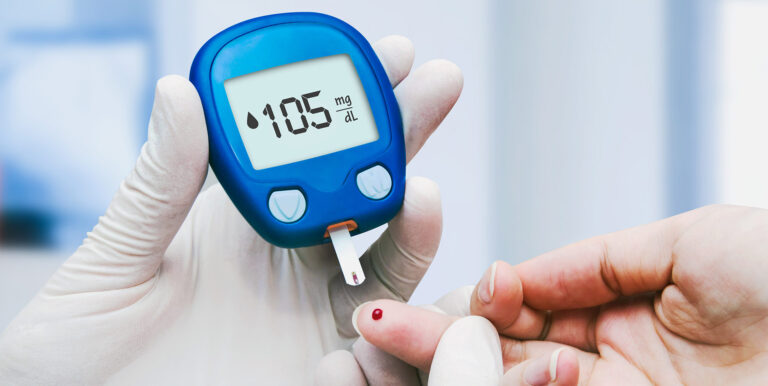
1. Regular health check-ups help in the timely discovery of health problems:
Health check-ups help the elderly get a clear picture of their overall health. Certain conditions, such as high blood pressure, high sugar or cholesterol levels, don’t show early symptoms. But over time, they affect every organ of the body.
For example, high blood pressure causes the following:
- Damages arteries
- Reduces the blood flow to the heart and causes chest pain, irregular heart rhythm, and heart disease
- Disrupts blood flow to the brain, which can lead to stroke
- Interrupted blood flow to the brain due to a stroke can cause dementia
- High blood pressure damages the kidneys and causes kidney failure
- It affects the eyes and causes bleeding of the eye and loss of vision
- It causes erectile dysfunction due to limited blood flow to the penis.
It is, therefore, crucial for senior citizens to have annual blood pressure checks. The tests help their doctors refer them to a specialist for further tests and treatment, if necessary. Similarly, diagnosing diabetes and cholesterol in their early stages will help the doctor prescribe geriatric medicine to the elderly to avoid any health issues in the future.
2. Health check-ups help learn about the risks of any disease:
As part of health check-ups, doctors inquire about a family history of disease that could increase other family members’ risk of contracting it. Therefore, starting a complete health check-up early in life will help the elderly discover if they are at risk of diabetes or cancer.
During a complete health check-up, doctors also inquire about the lifestyle, diet, fitness, sleep routine, and ability to manage stress. They ask about smoking or drinking habits, too. If an elderly member is leading a stressful life and not following a healthy diet and fitness regimen, their doctor will advise them on the changes they need to make for improved health and a better future.
3. Regular health check-ups help control chronic health conditions:
Health conditions, such as diabetes and high cholesterol, require daily care and management to keep them under control. Through regular health check-ups, doctors can keep a close eye on how elderly patients respond to the geriatric medicines prescribed to them, if they are following their diet and fitness regimen, and recommend any changes, if necessary.
4. Geriatric health checks help seniors stay up-to-date on tests and screenings:
Through health check-ups, doctors can monitor their elderly patients’ health. They can inform their patients about the necessary tests and screenings for geriatric care, such as chest X-rays, mammograms, pelvic exams, colonoscopies, and vaccinations for flu, pneumonia, etc.
5. Regular geriatric health check-ups help seniors stay aware of health-related information:
People often use the internet for health-related information and self-medicate based on what they have learned. Such experiments with health and consuming medications or herbal supplements without knowing the effects are some of the worst mistakes people make. The information they find on the internet need not always be reliable. Moreover, as each person’s body responds to medicines differently, self-medication could harm their health.
Regular health check-ups help people talk to their doctors and gain authentic information regarding their health and well-being. Thus, understanding their health condition and its effects will help them ease their worries and take better care of themselves.
6. Health check-ups help build a doctor-patient relationship:
A doctor-patient bond is essential for everybody, especially when there are elderly members in the family, as health emergencies can occur anytime. Regular health check-ups help develop a relationship between elderly patients and their doctors. The trust it builds helps them ask health-related questions freely or discuss their health problems honestly with the doctor and get the necessary assistance.
These check-ups also help doctors collaborate with other doctors or specialists or share the medical history of their elderly patients with specialists in case of an emergency.
7. Regular geriatric health check-ups save money:
As the saying goes, “A stitch in time saves nine,” preventing a health condition saves money more than treating it. Thus, with a doctor’s help, elderly family members can quit smoking or maintain their weight and fitness levels, which will help them save on medicines and expensive surgeries and treatments.