Malaria: A Global Challenge
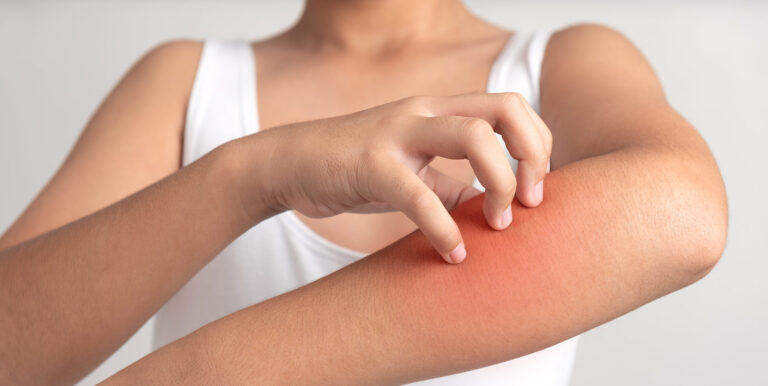
Come monsoon, mosquitoes wreak havoc everywhere. But their bites aren’t the only cause of annoyance. Mosquitoes cause some of the most dangerous diseases in the world, malaria and dengue being common ones.
Malaria is a deadly mosquito-borne disease spread via the bite of the female Anopheles mosquito. Because mosquitoes breed in stagnant water, the disease is more frequent in areas where proper sanitation is absent and water logging is common. Most people are susceptible to this disease, but women and children are at a greater risk.
Malaria is endemic in several tropical countries, like Africa, India, Malawi, Tanzania, and others. Most cases of malaria are from African countries. In 2020 alone, more than 240 million cases of malaria were estimated worldwide. Of these cases, 95% came from African countries.
Because the disease is such a big threat, there are three questions we must ask:
- How is malaria spread?
- What are the symptoms of malaria?
- How can we ensure the prevention and control of malaria?
How Does Malaria Spread?
When an Anopheles mosquito bites an infected person and then a non-infected person, it passes on the malarial parasite from the infected to the non-infected person. This parasite moves to the liver through blood. In the liver, the parasite infects the host’s red blood cells and triggers the symptoms of malaria.
Common Symptoms of Malaria
The most common signs and symptoms of malaria include the following:
- Fever with chills
- Headache
- Fatigue
- Muscle aches
Some people may also suffer from nausea, vomiting, and diarrhoea. As in all diseases, ignoring symptoms can be the death spell in malaria. Without timely treatment, malaria can cause liver and kidney failure. When people first notice these signs or symptoms, they must test themselves. Immediate treatment can help relieve symptoms and prevent the spread of the disease.
How Do Humans Contribute to Malaria?
Infectious diseases are common the world over, and more so in tropical countries. Awareness is essential to limit the spread of diseases. But that’s not all. People need to take active steps to prevent disease spread. The same applies to malaria.
Some of the common ways in which humans contribute to malaria are:
- Improper waste disposal: The site of plastics and solid waste floating in water bodies is not uncommon in monsoons. When not disposed of properly, solid waste is one of the most common causes of water logging. This contributes directly to the breeding of mosquitoes and increases the chances of malaria.
- Lack of good water drainage systems: On a larger scale, the lack of proper drainage is a major cause of water stagnation, especially in urban areas. With this, water logging becomes a common problem, and mosquito-borne diseases like malaria become more difficult to prevent.
- Lack of urgency in precautionary measures: As mentioned earlier, mosquitoes that spread malaria take up the parasite from infected people. While governments are doing their bit to spread awareness, people have been quite negligent in taking necessary precautions, such as using repellents, avoiding water stagnation, and taking immediate steps to test for the disease.
Prevention and Control of Malaria
While malaria is a global menace, with the right steps, everyone can help prevent it. Having the correct information is crucial for preventing this disease.
Malaria can be prevented using the following three steps:
- Using Preventive Drugs: The use of preventive drugs is suggested for the prevention of malaria. This is a good precaution and sometimes mandatory for people travelling to malaria-endemic countries. At times, this method is suggested for young children and pregnant women in malaria-endemic countries because they are more likely to show severe disease symptoms.
- Preventing Mosquito Bites: The Anophelesmosquito mostly feeds at night. Thus, preventing mosquito bites in the evening or at night is a useful step. Using mosquito nets, wearing clothes that cover a larger part of the body, and applying mosquito-repellent ointments or sprays can protect against mosquito bites. One can also choose natural repellents such as thyme and clove oil.
- Controlling Mosquito Breeding: Some common ways to reduce the breeding of mosquitoes are using chemicals (known as larvicides) to kill larvae and killing adult mosquitoes using insecticide-treated bed nets. Still or stagnant water is a mosquito’s best friend. For the prevention of malaria, water stagnation should be avoided at all costs. Water should not be stored in open containers for a long time. Also, waterlogging should be avoided in areas with drainage problems.
Vaccines Against Malaria
At present, licensed vaccines against malaria are not available. But a safe and effective vaccine can be the perfect solution for preventing or controlling this disease. However, the malarial parasite is very complex and has evolved quite fast. This makes it challenging to prepare vaccines for this disease.
Detecting and Treating Malaria
Effective Detection
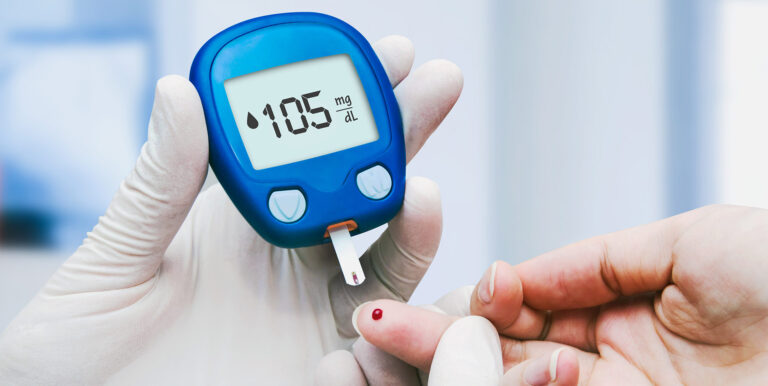
For a disease to be treated, it has to be detected first. In malaria, useful and accurate detection tools are as important as the right drugs. In most laboratories across the world, the malarial parasite is detected by observing blood samples collected from the patient under a microscope. But this method is time-taking and unpredictable at times. So, better methods of detection are urgently needed.
Antimalarial Drugs
Mosquito control programs are conducted regularly by governments in different malaria-endemic countries. Along with these, antimalarial drugs are extremely important for controlling malaria. Prescription medications containing quinine are commonly used to manage the disease. Some commonly used antimalarial drugs include:
- Artemisinin drugs (the best drug for Plasmodiumfalciparum malaria)
- Atovaquone
- Chloroquine (some parasites may be resistant to this drug)
- Doxycycline
- Mefloquine
- Quinine
- Primaquine
But, as with all drugs, malarial drugs have also been overused. Because of this, some drug-resistant variants of the malarial parasite have formed. Scientists are now looking for more effective antimalarial drugs.
The Bottom Line
When it comes to the prevention of malaria, early detection and immediate treatment are a must. Though some common antimalarial drugs are ineffective against malarial parasites, using them in combination or at higher but non-toxic doses can help. But doctors and scientists can only do so much to treat the disease. Thus, people must follow the methods necessary to prevent malaria.